Containment that matches the situation
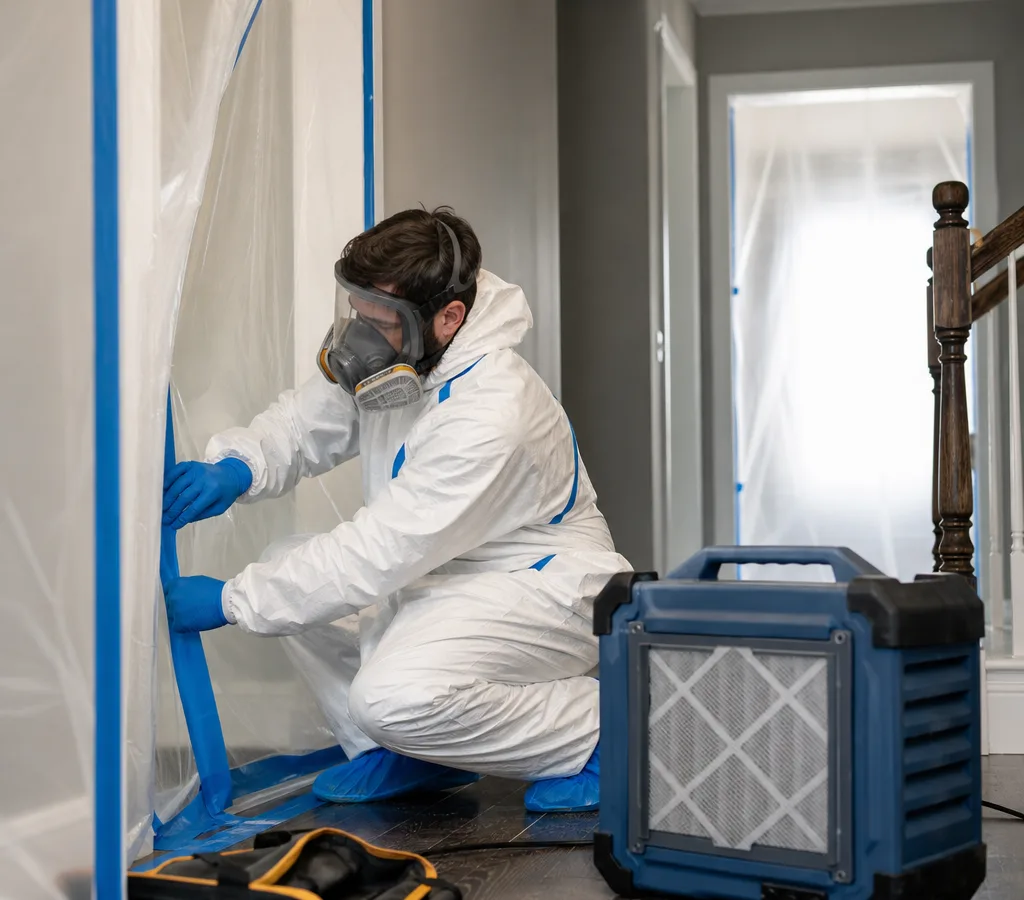
Small, isolated areas can use localized barriers; larger or multi-room impacts may require full containment with controlled airflow so spores do not migrate through the home.
Serving Indianapolis, Indiana & surrounding areas
Mon–Fri 8am–6pm · Sat 9am–2pm
Mold remediation · Indianapolis, Indiana
If you are seeing staining, smelling a musty odor, or dealing with a recent leak, get a clear plan for safe containment, removal, and cleanup so the problem does not keep coming back.
Controlled cleanup from source to finish
Mold remediation is the controlled process of finding the moisture source, containing the work area, removing contaminated materials where needed, cleaning remaining surfaces, and returning the space to normal use with a documented scope.
For Indianapolis homes, mold problems often follow common triggers: basement seepage after heavy rain, HVAC condensation, wintertime humidity in tightly closed homes, and slow plumbing leaks inside walls or under floors. Remediation done without containment or proper filtration can spread spores to clean areas, which is why professional setup matters as much as the cleanup itself.
Mold Removal Indianapolis focuses on remediation work that is practical and measurable: what is affected, what must be removed, what can be cleaned, and what steps reduce the chance of re-growth. If you are already comparing companies, start with one question: will the scope address moisture, or only the visible growth? Without moisture control, even a thorough cleaning can fail.
Containment and safety
A sound remediation plan controls the work area, protects clean rooms, and defines how affected materials will be handled before work begins.
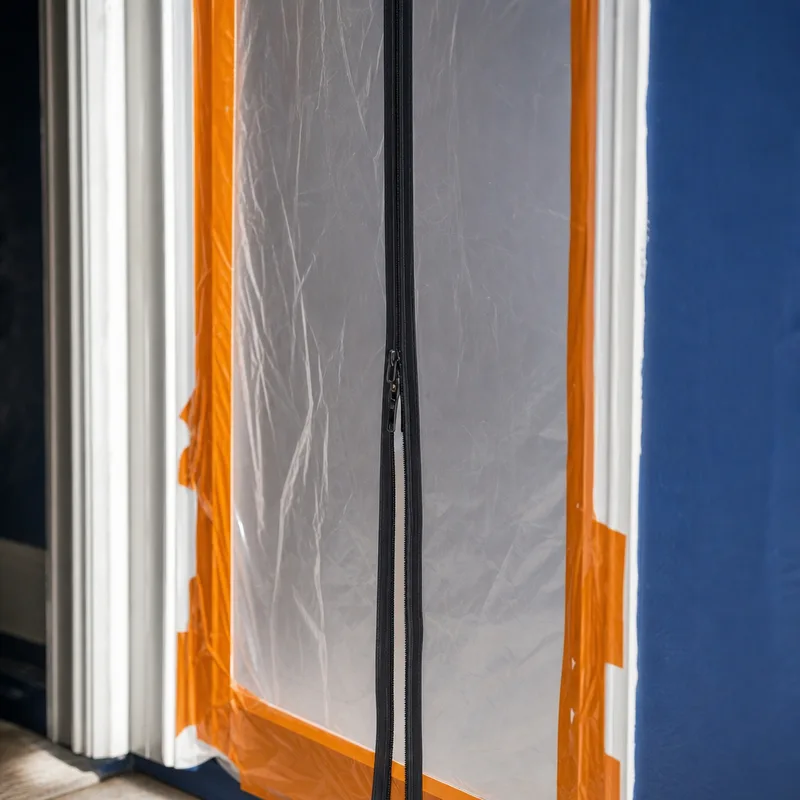
Small, isolated areas can use localized barriers; larger or multi-room impacts may require full containment with controlled airflow so spores do not migrate through the home.
HEPA air scrubbers and HEPA vacuums reduce airborne particulate during demolition and cleaning, especially when drywall, insulation, or framing is involved.
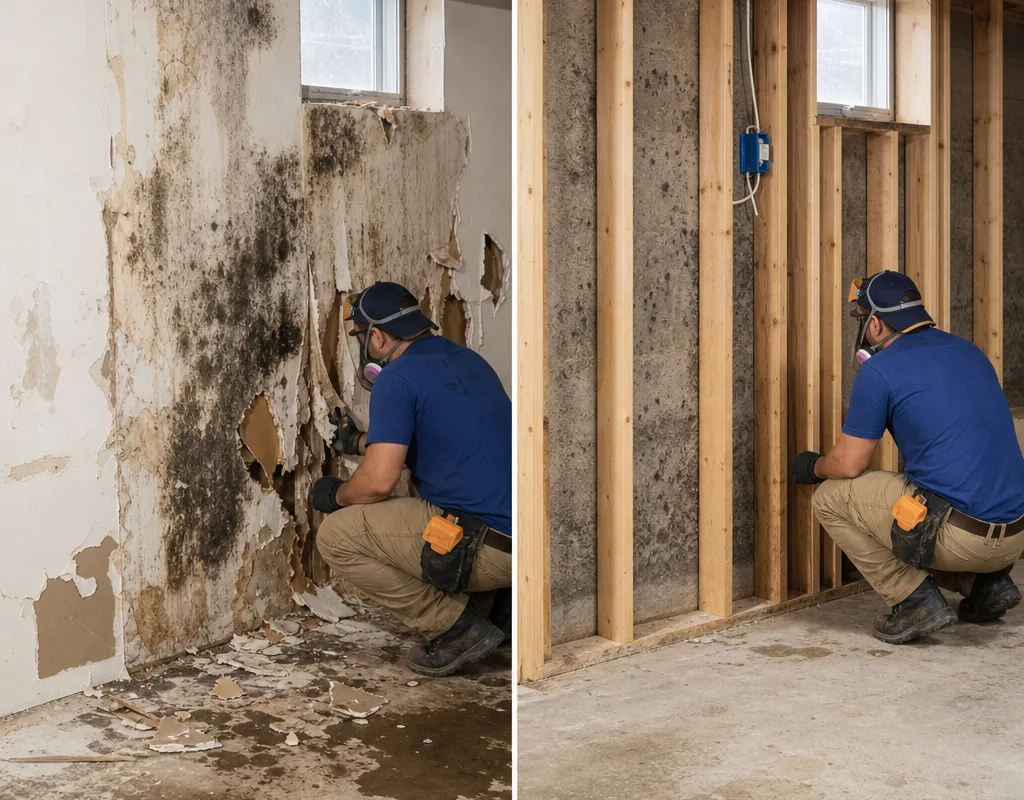
Porous materials like drywall, insulation, carpet pad, and some ceiling tiles often need removal when they are colonized. Non-porous surfaces may be cleaned when structurally sound.
A plan should name the likely moisture pathway: plumbing leak, roof intrusion, foundation seepage, condensation, or humidity. Remediation without a moisture fix is incomplete.
You should know what “done” means before work starts: visible condition, cleanliness, odor improvement, and what areas will be inspected before containment is removed.
A scope built around the property
Most successful remediation comes down to good boundaries and good information. We start by narrowing the affected areas and how air moves through the home, then we build the scope around what must be removed versus what can be cleaned.
In older Indianapolis neighborhoods where basements are common, we pay close attention to moisture patterns at rim joists, behind finished basement walls, and near floor drains. In newer builds, we often see localized issues around bathroom exhaust, attic ventilation, and HVAC condensation lines. Regardless of the home style, the plan should answer three things in plain language: where the mold is, why it is there, and what steps prevent it from returning.
If you want a quick overview of who you are hiring and what we handle day to day, Mold Removal Indianapolis describes our service area and how we schedule inspections and remediation work.
Controlled from assessment to completion
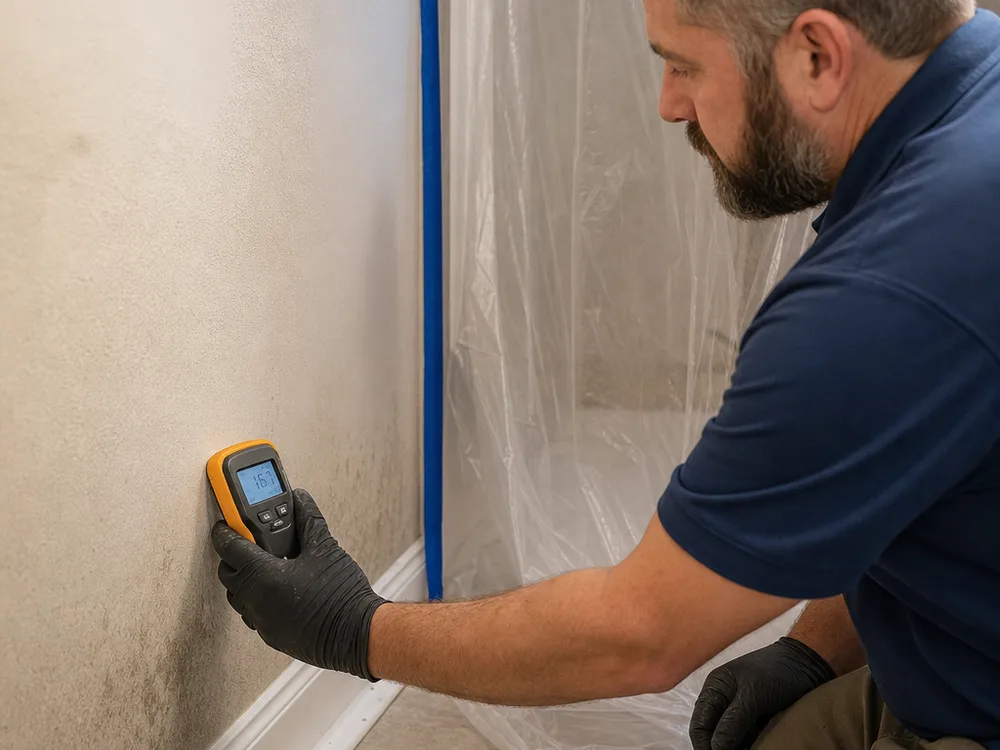
We look for visible growth, water staining, damp building materials, and likely moisture sources. The scope defines affected rooms, what materials are involved, and what will be opened or removed.
We isolate the work area with plastic sheeting and protect pathways used for entry and debris removal. When appropriate, we use negative air to keep the work zone from pushing air into clean rooms.
Colonized porous materials are removed and bagged for disposal. Remaining surfaces are cleaned using HEPA vacuuming and appropriate antimicrobial methods based on the material type and condition.
We verify that damp materials are drying properly and note the fix needed for the underlying moisture issue—leak repair, ventilation adjustment, humidity control, drainage improvements, or insulation corrections.
Before containment comes down, we confirm the area is visibly clean and that debris and dust are removed. We review what to watch for next and how to keep humidity and moisture in check.
On-site scope determines pricing
Mold remediation in Indianapolis typically ranges from about $1,500 to $6,500+, with small, contained areas sometimes closer to $750 to $1,500 and large multi-room or basement projects running higher when demolition and rebuilding prep are involved.
Your final price depends on the square footage affected, whether drywall or insulation must be removed, how difficult the area is to access—crawlspaces and tight attics take longer—the amount of containment required, and whether active water is present. Exact pricing is confirmed after an on-site inspection and a written scope.
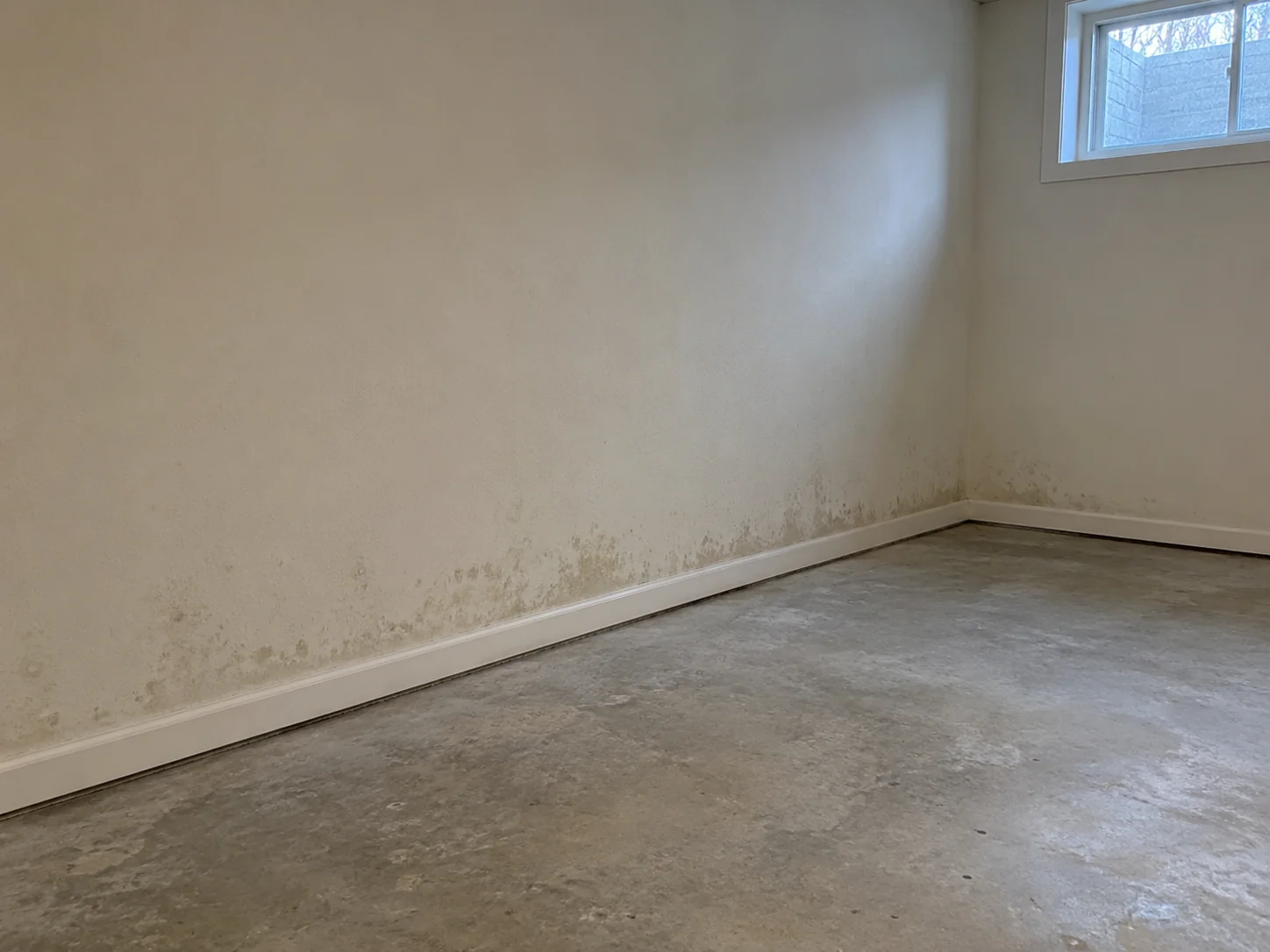
Containment, cleaning, and visible outcomes
Helpful answers before work begins
Most mold remediation projects take 1 to 3 days for contained areas, while larger basements or multiple rooms can take a week or more when demolition, drying time, and access constraints are involved. The timeline depends on how much material must be removed and whether the moisture source is still active.
Often you can stay home if the affected area is properly contained and the work zone is isolated from main living spaces, but it depends on the size of the project and who lives in the home. Households with asthma, allergies, infants, or immunocompromised occupants may prefer to avoid the work area entirely until cleanup is complete.
Remediation means controlling the conditions that allow mold to grow and cleaning the affected areas using containment, filtration, and material removal when needed; it is a managed process, not a cosmetic wipe-down. A plan that does not address moisture is cleaning, not remediation.
Remediation decisions are usually based on where growth is present and what materials are impacted, not the species name, because containment and removal methods are driven by building conditions. If testing is needed for documentation or a third-party protocol, we can coordinate the work to match the required sampling plan.
Yes, but finished basements often require selective demolition to find and remove affected drywall, insulation, or flooring assemblies behind the visible surface. In Indianapolis, basement issues frequently tie back to seepage, humidity, or hidden condensation, so the scope should include how the area will be dried and how humidity will be managed afterward.
If it is safe, stop the water source, run ventilation or dehumidification, and avoid disturbing the suspected area because scrubbing or tearing materials can spread spores. If the area is in a high-traffic path, close doors where possible and keep pets and kids away until you have a defined scope.
Coverage depends on the cause of the moisture problem and your specific policy, and insurers commonly treat long-term seepage differently than sudden, accidental water damage. The most helpful first step is getting a written scope that documents affected materials, the suspected source, and the remediation plan so you have clear information if you file a claim.
Start with a documented scope
Tell us what you are seeing and where it started. We will schedule an inspection, explain the containment and cleanup approach, and provide a written scope so you can make a confident decision.
For a full overview of our mold remediation work across the metro, see Mold Removal Indianapolis.